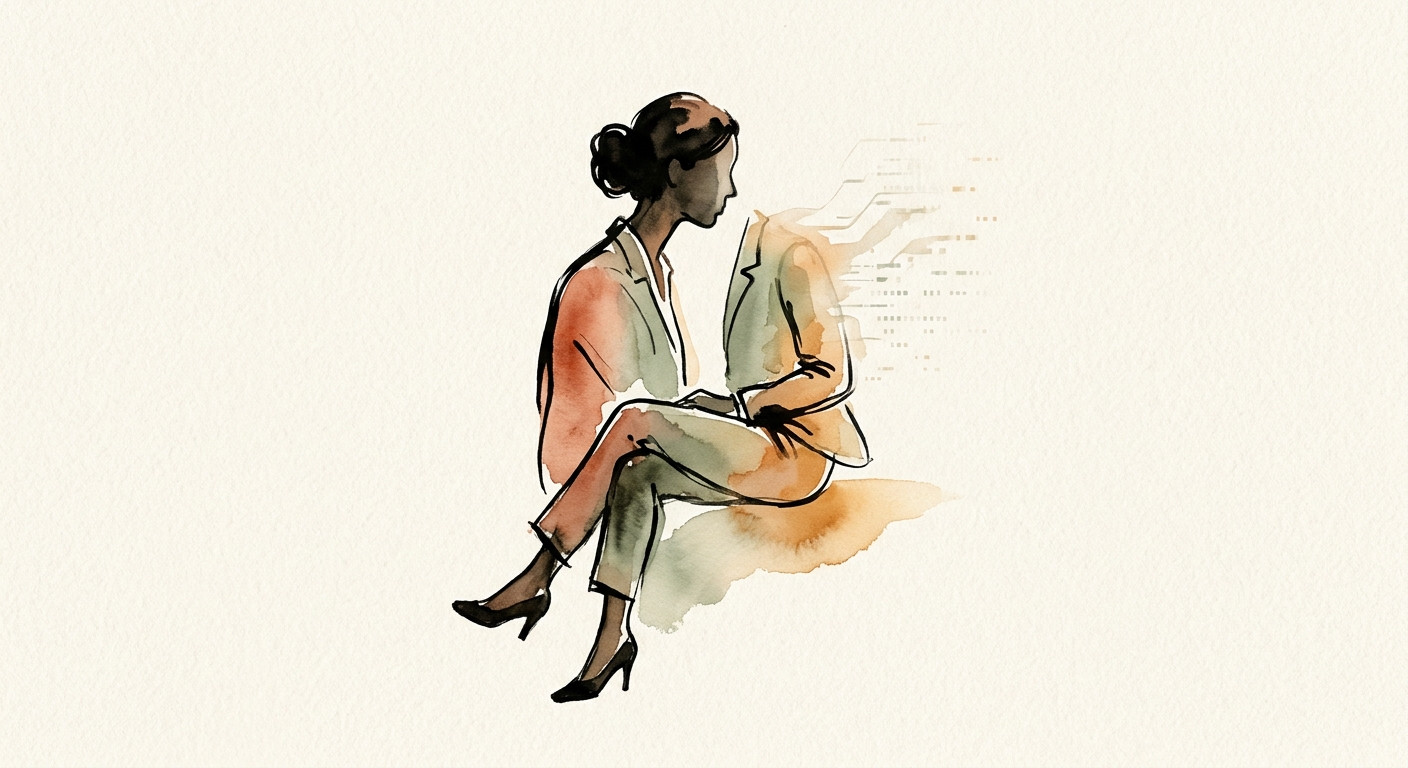
It is 9:45 PM on a Tuesday. An executive sitting in an apartment high-rise overlooking Victoria Harbour hears the familiar, sharp chime of a mobile notification. It is not an urgent crisis; it is an internal status update from a senior director asking for minor adjustments to a slide deck due the following afternoon.
Across Hong Kong’s high-velocity corporate ecosystem, this invisible tether has become the default operating standard.We have normalized an era of the "Chronically Plugged-In" professional, where physical departure from the office no longer represents the cessation of work, but merely a transition to remote digital surveillance.
Leadership often frames 24/7 responsiveness as a mark of unwavering dedication and high performance. In reality, it is an organizational failure that erodes cognitive recovery, impairs creative problem-solving, and drives profound psychological exhaustion. When the brain is never permitted to switch off, the capacity for deep strategic innovation is systematically sacrificed on the altar of immediate, superficial compliance.
The Hidden Liabilities of the 24/7 Digital Leash
Treating employees as perpetually accessible assets introduces severe systemic vulnerabilities across the organization:
- The Atrophy of Deep Cognitive Reset: Without uninterrupted periods of mental disengagement, the brain cannot properly process complex information, leading to degraded strategic foresight and flattened decision-making quality.
- Insidious Burnout Disguised as Productivity: Constant digital micro-interruptions prevent true restorative rest,creating a state of chronic low-grade stress that manifests as emotional detachment and sudden, silent attrition.
- Eradication of Psychological Safety: When team members live in apprehension of an off-hours reprimand for delayed email replies, workplace anxiety spikes, stifling honest communication and innovative risk-taking.
Dual-Perspective Strategy: Re-Engineering Boundaries for Sustainable Performance
Restoring cognitive health and sustainable execution velocity requires shifting organizational governance from reactive availability to protected focus and recovery.
For HR Leaders & Executives: Institutionalizing Digital Boundaries
- Enforce "Right to Disconnect" Frameworks: Implement clear corporate policies that explicitly protect non-working hours from routine digital communication, setting a top-down leadership example that boundaries are respected.
- Audit After-Hours Communication Patterns: Track asynchronous messaging volumes outside core business hours as a primary indicator of operational dysfunction, intervening when specific departments exhibit chronic boundary erosion.
- Redefine Performance Around Output, Not Speed: Evaluate employee contribution based on high-impact project execution and analytical quality rather than the speed of their late-night email replies.
For Employees & Job Seekers: Protecting Individual Mental Space
- Establish Explicit Communication Norms: Proactively clarify availability windows with direct managers and team members, setting firm expectations regarding evening responsiveness.
- Utilize Technological Boundaries: Configure device notification settings to automatically silence work-related applications outside designated core working hours, protecting precious evening recovery time.
- Probe Organizational Culture During Interviews: Ask prospective employers: "How does the leadership team actively support work-life integration, and what policies are in place to manage after-hours communication?"
References
- World Health Organization (WHO): Mental Health at Work: Policy Brief on Protecting Cognitive Well-Being and Mitigating Burnout.
- International Labour Organization (ILO): Working Time Transitions and the Right to Disconnect in Modern Economies.
- Chartered Institute of Personnel and Development (CIPD): Managing Workplace Tech Overload and Preserving Employee Mental Capital.
- Occupational Safety and Health Council (OSHC) Hong Kong: Guidelines on Managing Psychosocial Risks and Digital Fatigue in Corporate Environments.