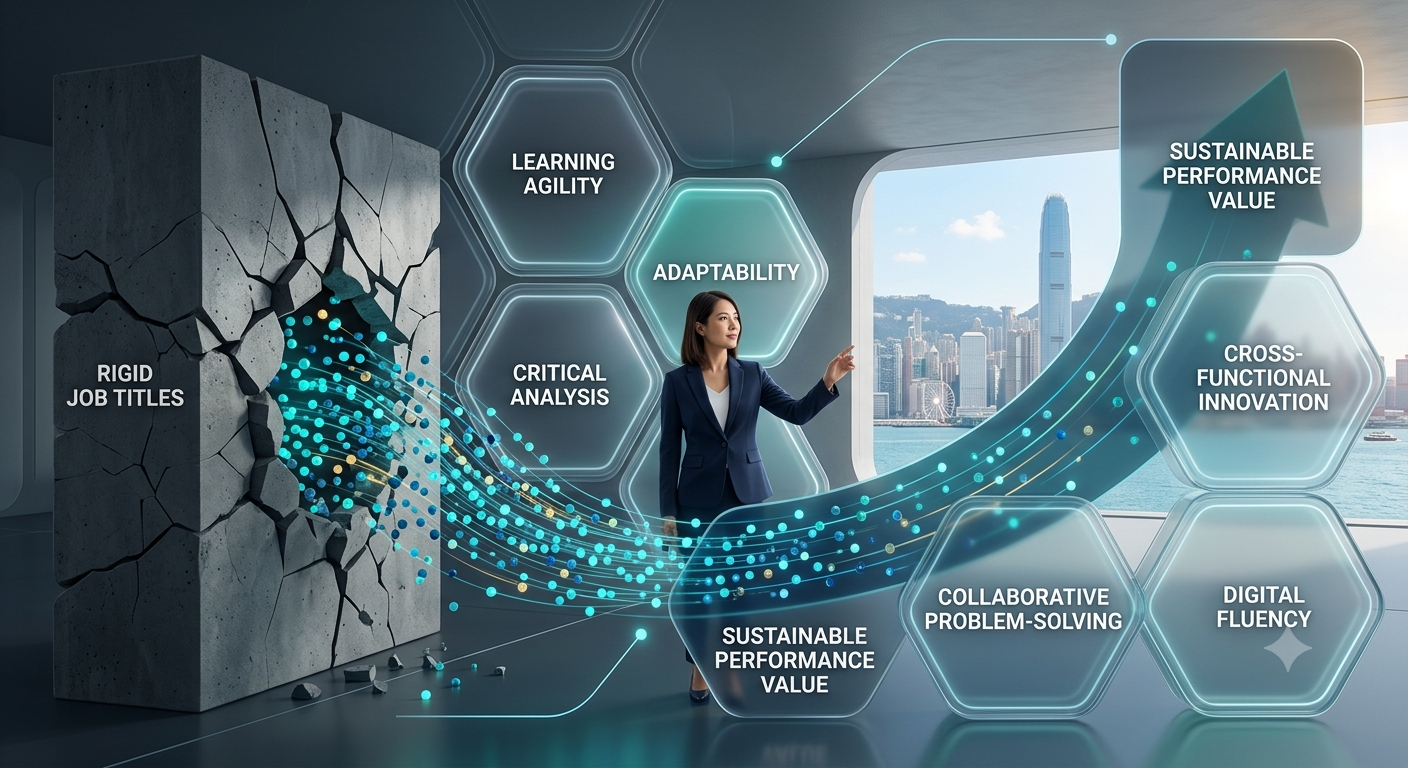
The traditional corporate hierarchy has long relied on rigid job titles and tightly defined position boundaries to organize human labor. However, as business environments face rapid disruptions from automation, changing regulations, and economic shifts, these static frameworks are proving counterproductive to innovation. When individuals are tied to fixed, unchanging descriptions, a culture of self-preservation often takes root. Employees become hesitant to step outside their designated responsibilities or suggest unconventional solutions because their professional identity—and perceived security—is tied directly to a rigid set of tasks. This dynamic creates an invisible but highly damaging barrier: the fear of failure, which stifles the creative agility organizations need to survive.
Global workplace health indices, such as data compiled by Mental Health First Aid England, highlight a concerning global dip in workplace psychological safety. A significant portion of the modern workforce feels unable to bring their "whole self" to the office, spending energy on performance theater rather than genuine value creation. When people fear that a single misstep or uncalculated idea will derail their defined career path, they default to safe, repetitive choices. This risk aversion effectively halts cross-functional innovation. To break this cycle, forward-thinking people leaders are restructuring their talent frameworks, transitioning away from rigid job descriptions toward a dynamic, skills-based workforce model.
Dismantling the Fear Matrix Through Skills-First Architecture
A skills-based organization does not evaluate an individual’s value by their tenure or their specific corporate title. Instead, it views the workforce as an agile ecosystem of capabilities, measuring professionals on their core competencies, adaptability, and learning agility. When an organization shifts its baseline from "What is your title?" to "What capabilities can you deploy, and what can you learn next?", it changes the psychological contract between the employer and the employee.
This operational shift dismantles the fear of failure by changing how professional mistakes are contextualized. In a rigid job-title system, a project that misses its target can feel like a direct threat to an employee's professional standing. In a skills-first environment, that same outcome is viewed as an analytical data point—an intensive learning sprint that builds valuable diagnostic, problem-solving, and risk-mitigation competencies. The employee's value remains secure because their career progression is tied to their demonstrated learning agility and their capacity to apply newly acquired skills to the next business challenge. This environment fosters genuine psychological safety, giving teams the freedom to iterate rapidly, challenge outdated processes, and drive high-value, cross-functional innovation without the paralyzing fear of professional setbacks.
Operationalizing Agility: The Playbook for People Leaders
Transitioning to a skills-based safe space requires moving beyond abstract cultural statements and embedding psychological safety directly into an organization's operating model. Chief human resource officers and business directors must establish clear, actionable structural frameworks that normalize learning agility as a measurable professional asset.
The strategic playbook for implementing this workforce architecture includes:
- Deconstructing Silos for Cross-Functional Mobility: Organizations should replace rigid, department-isolated project allocations with internal talent marketplaces. Allowing individuals to dedicate a portion of their work week to cross-functional initiatives based on their skill sets breaks down corporate silos and builds shared organizational capability.
- Decoupling Compensation from Legacy Hierarchies: Performance and rewards systems should be updated to incentivize skill acquisition and adaptability, rather than tying salary advancements purely to upward movement on a traditional corporate ladder.
- Normalizing Project Retrospectives as Learning Audits: Teams should institutionalize structured project reviews that analyze both successes and failures through a lens of capability development. Reframing business challenges as opportunities to build problem-solving skills ensures that valuable technical and strategic insights are captured and shared across the enterprise.
By consciously separating an individual's professional worth from rigid, outdated titles and focusing on a culture of continuous learning, Hong Kong enterprises can build highly resilient teams. Eliminating the fear of failure helps organizations turn psychological safety into a competitive advantage, establishing an innovative, sustainable corporate engine designed for long-term commercial execution.
References
- Mental Health First Aid (MHFA) England: Workplace Wellbeing and Psychological Safety Global Insights
- Simmons & Simmons Legal & Practice Reviews: Managing Mental Health and Disability Discrimination Standards in the Modern Corporate Hub
- Harvard Business Review: Psychological Safety and the Shift Toward a Skills-Based Organization