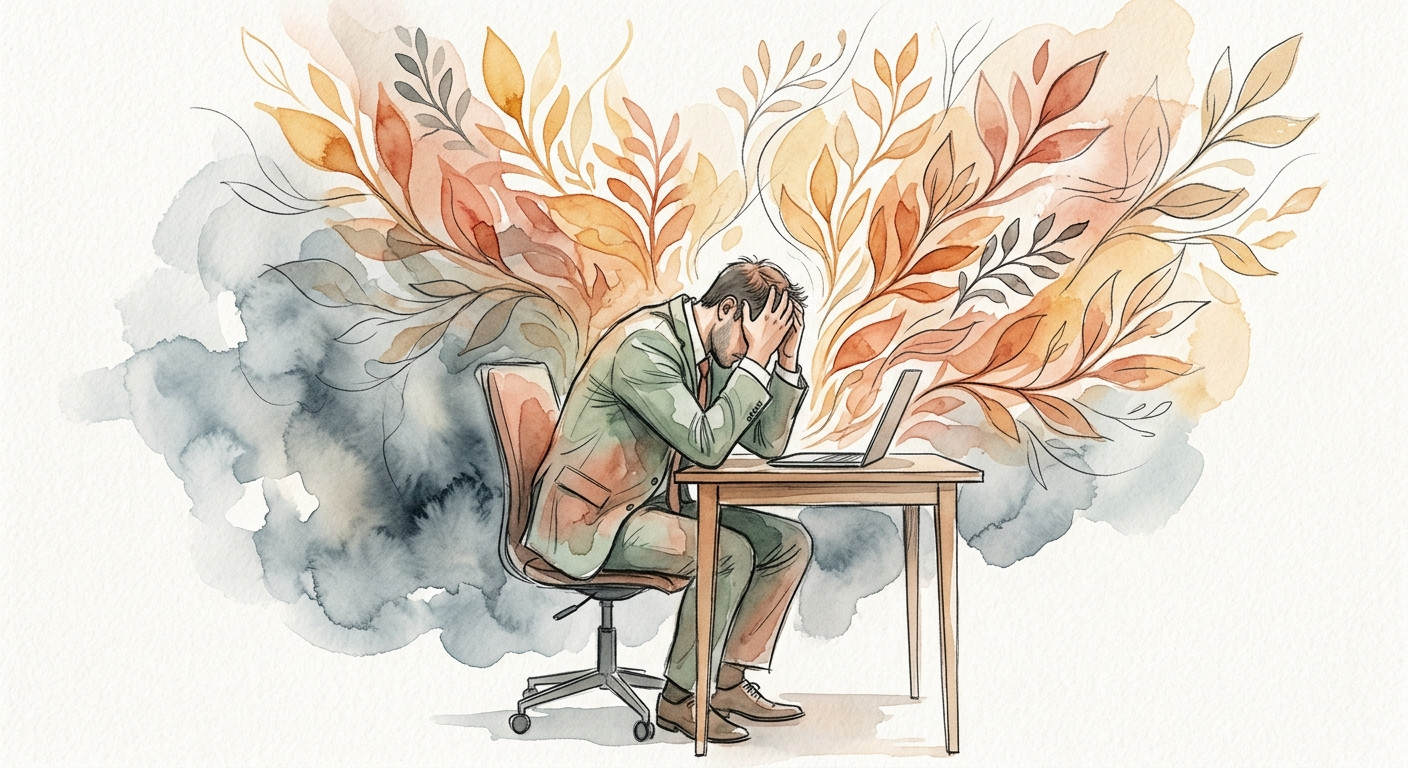
In the post-pandemic corporate landscape across Hong Kong and regional hubs, business leaders have aggressively pushed for a return to physical offices. Yet, despite fully occupied desks in Central and East Kowloon, operational output tells a vastly different story: The resurgence of Presenteeism.
Presenteeism—the phenomenon where employees are physically present at their desks or visibly "active" on corporate messaging platforms while functionally disengaged due to physical fatigue, mental exhaustion, or acute stress—is quietly eroding enterprise productivity. While traditional management metrics celebrate visible office attendance, the underlying reality is that desk presence has become a defense mechanism rather than a marker of real performance.
In high-pressure markets like Hong Kong, where long working hours are historically normalized, unchecked presenteeism creates a deceptive operational facade. Employees spend valuable hours managing visibility—attending unnecessary meetings, sending late-night emails, and maintaining status indicators—rather than executing high-value strategic work.
The Hidden Costs of Forced Physical Visibility
When organizations evaluate performance through physical or digital presence rather than measurable output, they trigger a series of systemic risks:
- Cognitive Burnout and Declining Work Quality: Compelling exhausted employees to maintain physical presence severely compromises cognitive function. Error rates increase, strategic problem-solving falters, and decision-making quality degrades across critical business units.
- The "Performance Theater" Trap: When physical presence is tied to promotional pathways, high-performing talent shifts attention toward visible compliance. Employees master the art of looking busy, prioritizing superficial activity over transformative innovation.
- Compounding Healthcare & Turnover Costs: Unaddressed chronic stress and mental fatigue inevitably lead to extended sick leave, increased medical insurance claims, and higher voluntary turnover among high-caliber professionals.
Dual-Perspective Strategy: Overcoming Presenteeism with Outcome-Based Culture
Eliminating presenteeism requires a cultural shift from measuring physical input to evaluating strategic outcome.
For HR Leaders & Executives: Reengineering Performance Architecture
- Transition to Objective Key Results (OKRs): Replace hours-logged and desk-presence metrics with clear, goal-oriented performance key performance indicators (KPIs). Evaluate employees strictly on quality, timeliness, and milestone execution.
- Normalize Psychological Safety & True Rest: Train line managers to recognize early indicators of burnout. Actively discourage after-hours communication and ensure leadership models healthy work-life boundaries.
- Integrate Holistic Occupational Health Stipends: Expand traditional medical coverage to include proactive wellness benefits, such as mental health support days, ergonomic home-office allowances, and subsidized psychological counseling.
For Employees & Job Seekers: Protecting Mental Bandwidth & Professional Output
- Focus Communications on Value Delivery: Communicate progress using concrete metrics and project updates rather than emphasizing total hours spent at a desk.
- Establish Clear Digital & Physical Boundaries: Set explicit focus blocks during the workday to execute deep, uninterrupted strategic tasks, while setting realistic boundaries regarding after-hours availability.
- Evaluate Workplace Psychological Safety in Interviews: During job interviews, ask potential managers: "How does the team define and measure successful performance on a weekly basis?"
References
- World Health Organization (WHO): Mental Health in the Workplace: Global Guidelines on Occupational Well-being.
- International Labour Organization (ILO): Workplace Stress: A Collective Challenge and Practical Mitigation Strategies.
- Mind HK & Joyful@Office: Hong Kong Mental Health in the Workplace Survey and Resource Guide.
- Chartered Institute of Personnel and Development (CIPD): Health and Wellbeing at Work: Tackling Presenteeism in Modern Organizations.
- Journal of Occupational Health Psychology: The Impact of Presenteeism on Enterprise Productivity and Employee Retention.