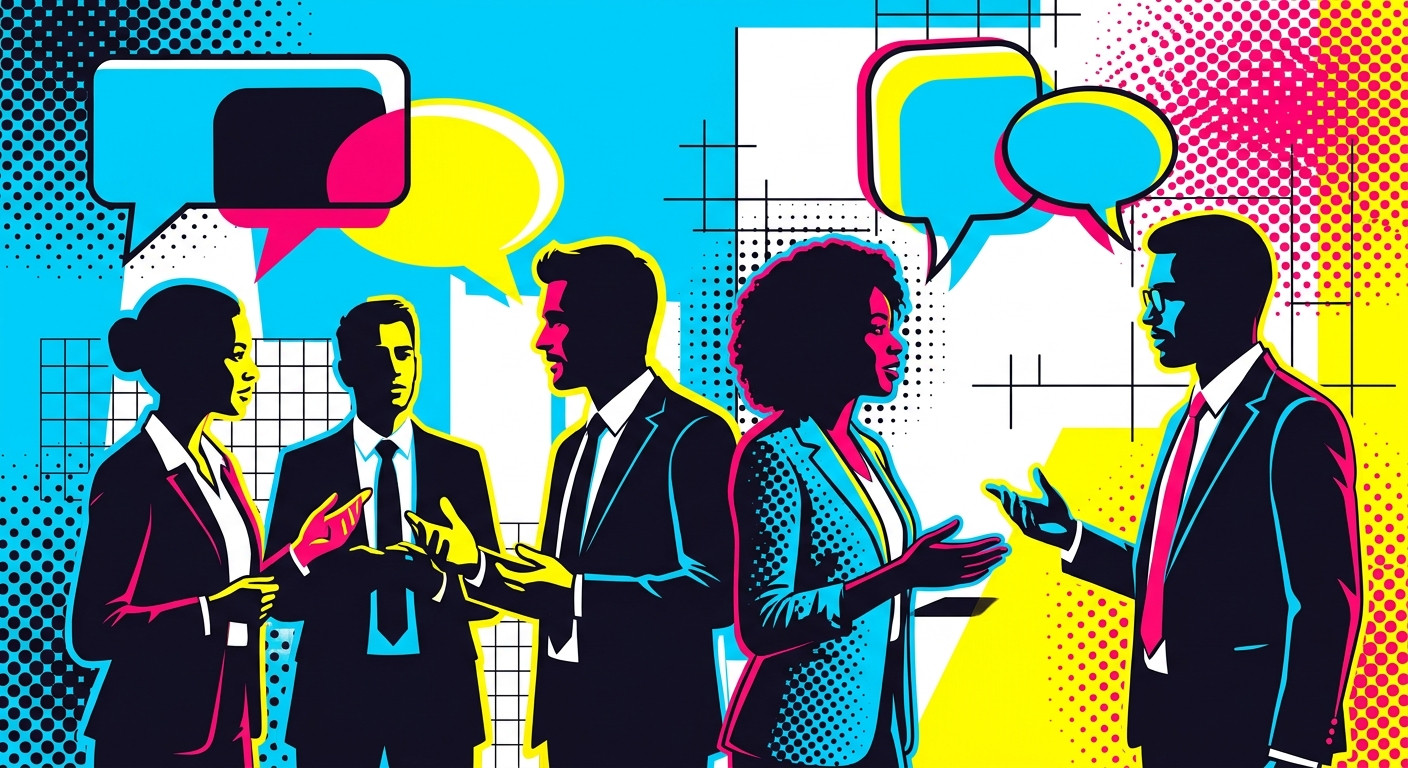
When we evaluate workplace inclusion, organizations often focus on public milestones: diversity metrics, policy manuals, and formal town halls. However, a far more pervasive force subtly erodes psychological safety and talent retention every day—the constant, subtle drip of workplace micro-aggressions. From subtle ageist dismissals during strategy sessions to dismissive comments about communication styles, these everyday, indirect slights create an invisible "tax" on cognitive energy. In fast-paced, multi-generational commercial hubs like Hong Kong, where high performance is demanded, employees subject to subtle bias expend significant mental bandwidth simply navigating team dynamics rather than focusing on high-value output.
Micro-aggressions are rarely malicious in intent, but their cumulative impact is devastatingly measurable. When unaddressed, they fuel disengagement, heighten imposter syndrome, and drive top performers to seek external opportunities silently, leaving leadership completely blind to the root cause of their turnover.
The Hidden Cost of Unaddressed Micro-Aggressions
Ignoring subtle workplace slights creates systemic organizational vulnerabilities across teams:
- Cognitive Fatigue and Burnout: Targeted employees spend critical mental effort decoding non-verbal cues and managing emotional responses, diminishing their capacity for strategic thinking.
- Psychological Safety Erosion: When subtle dismissals pass without challenge, team members quickly learn that speaking up or challenging status-quo thinking carries social risk.
- Multi-Generational Friction: Age-based assumptions—whether dismissing younger talent as "entitled" or assuming mature professionals are resistant to new digital workflows—severely fracture cross-generational collaboration.
- Loss of Diverse Perspectives: Minorities and non-dominant cultural voices withdraw their discretionary insights, turning diverse teams into quiet spaces of forced compliance.
Actionable Strategies for Leaders and HR Professionals
Eradicating micro-aggressions requires moving past generic compliance training toward proactive cultural accountability:
- Reframe Casual Language and Norms: Establish clear team behavioral standards that explicitly define how respectful debate, feedback, and active listening should occur in daily meetings.
- Train Leaders on "Micro-Interventions": Empower managers to address subtle slights immediately and constructively in real time (e.g., "Let's make sure we hear out the full proposal before jumping to conclusions"), signaling that subtle bias is unacceptable.
- Institute Psychological Safety Audits: Conduct periodic, anonymized team sentiment pulse checks specifically designed to surface interpersonal friction before it escalates into formal grievances.
- Champion Inclusive Mentorship Programs: Pair leaders with cross-generational and culturally diverse peers to break down subconscious biases and foster genuine empathy.
Strategic Guidance for Employees & Job Seekers
Navigating subtle workplace bias requires deliberate boundaries and self-advocacy:
- Distinguish Intent from Impact: When addressing a subtle slight, focus your response on the specific behavior and its operational impact rather than attacking the individual's intentions.
- Document Patterns When Necessary: If subtle slights become a persistent pattern from specific peers or managers, keep an objective record of dates, contexts, and specific occurrences.
- Evaluate Inclusive Culture During Hiring: During job interviews, ask prospective employers: "How does the organization actively support multi-generational collaboration and cross-cultural communication?"
Creating a truly inclusive environment demands more than policy statements. By actively dismantling everyday micro-aggressions, organizations unlock the full cognitive potential of their teams, fostering environments where all talent can thrive.
References
- Equal Opportunities Commission Hong Kong – Code of Practice on Employment & Racial Equality Guidelines
- Harvard Business Review – How to Respond to Microaggressions at Work
- Mind HK – Workplace Mental Health & Interpersonal Wellbeing Report
- McKinsey & Company – Diversity Wins: How Inclusion Matters