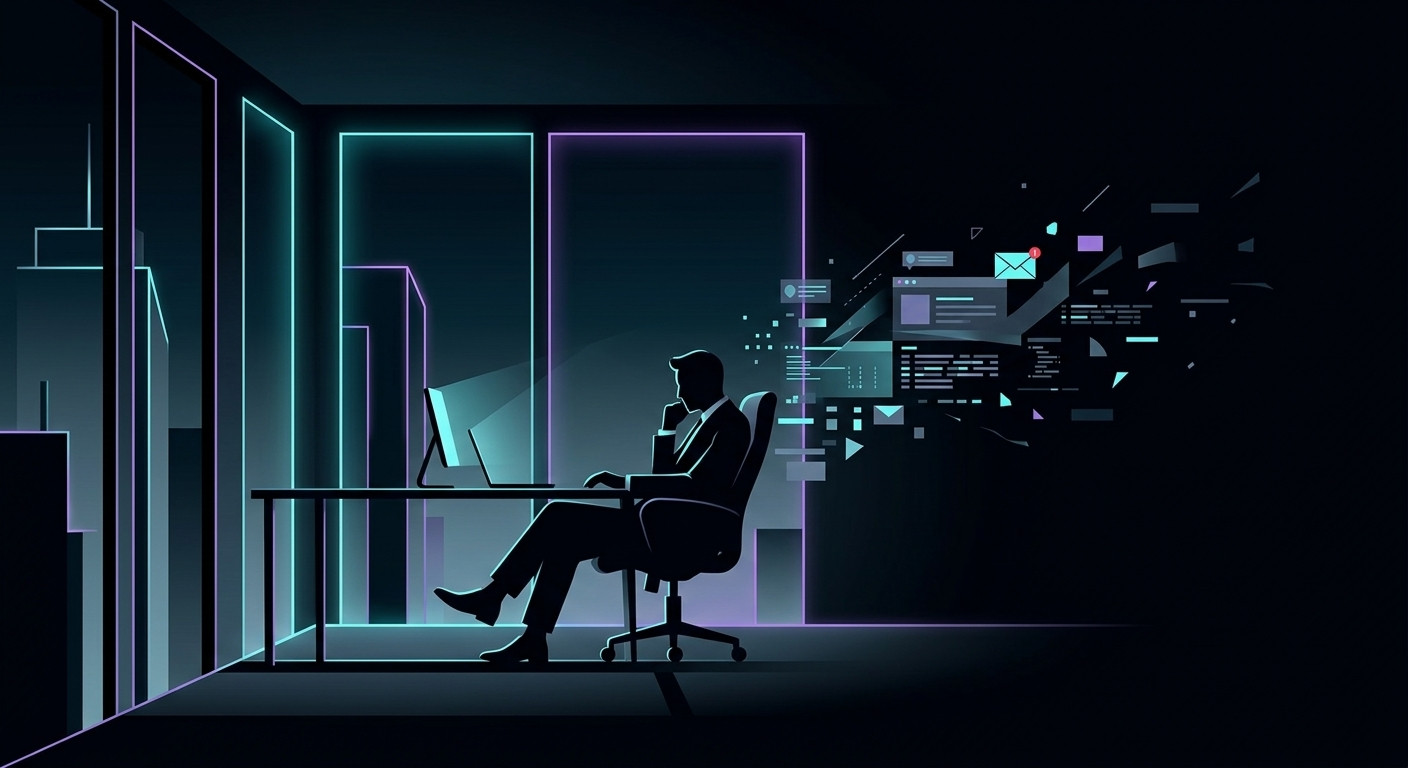
When corporate leadership established hybrid work models across Hong Kong and global financial hubs, the promise was straightforward: increased autonomy, reduced commuting friction, and an optimized balance between deep focused work and collaborative output.
Yet, as hybrid routines have matured, a pervasive psychological tax has taken root across executive teams and operational units: Performative Presence.
In environments where physical visibility is replaced by digital telemetry, employees feel an unspoken pressure to constantly signal responsiveness. Responding to instant messages within seconds, keeping status green across multiple enterprise chat platforms, and attending optional video briefings are no longer viewed as administrative choices. They have become mandatory rituals of survival.
This relentless digital tethering creates a dangerous illusion of productivity. While teams appear hyper-engaged online, their cognitive bandwidth is fractured by constant context-switching, leaving zero room for deep, creative problem-solving or strategic innovation.
The Hidden Costs of Digital Telemetry and Constant Connectivity
When organizations measure engagement through digital availability rather than tangible outcomes, systemic dysfunction quickly follows:
- The Fragmentation of Deep Cognitive Focus: Research shows that every digital interruption requires up to twenty minutes for an employee to regain full concentration. Constant ping culture destroys the sustained focus needed for complex architectural, financial, or strategic work.
- The Rise of Performative Exhaustion: Employees begin prioritizing visible activity—such as sending late-night emails or commenting loudly in virtual threads—over actual high-value execution, leading to severe emotional and cognitive burnout.
- Asymmetric Trust Deficits: When managers rely on digital tracking metrics rather than trusted deliverables, micromanagement mutates into digital surveillance, eroding psychological safety and driving top-tier talent toward organizations with mature asynchronous work cultures.
Dual-Perspective Strategy: Engineering True Asynchronous Autonomy
Combating performative presence requires a deliberate structural shift from real-time responsiveness to outcome-based accountability.
For HR Leaders & Executives: Re-Architecting Communication Governance
- Establish Enterprise "Deep Work" Windows: Implement company-wide or department-specific "no-meeting, zero-chat" blocks (e.g., uninterrupted morning focus hours) where internal messaging apps are closed and teams concentrate exclusively on execution.
- Shift Performance Metrics from Activity to Outcomes: Evaluate team members strictly on completed deliverables, strategic milestone achievements, and problem-solving quality rather than digital response times or active chat status indicators.
- Formalize Asynchronous Decision--Making Protocols: Mandate that all major project updates and proposals be documented in shared collaboration spaces rather than rushed group chat discussions, allowing thoughtful contributions across different time zones.
For Employees & Job Seekers: Managing Digital Boundaries Proactively
- Batch Your Communication Windows: Avoid keeping chat applications open continuously. Check and respond to messages during designated intervals (e.g., start of day, midday, late afternoon) to protect your cognitive focus.
- Proactively Communicate Status and Milestones: Keep your managers informed of key deliverable progress through concise, asynchronous written summaries, removing any perceived need for them to gauge your output via chat responsiveness.
- Evaluate Asynchronous Maturity During Interviews: During career discussions, ask hiring managers: "How does the organization protect deep focus time, and what are your team's expectations around after-hours digital responsiveness?"
References
- Chartered Institute of Personnel and Development (CIPD): Managing Hybrid Work, Digital Overload, and Employee Well-being.
- Harvard Business Review: The Dark Side of Constant Connectivity in Remote and Hybrid Teams.
- McKinsey & Company: The State of Organizations: Unlocking Agility and Focus in the Post-Pandemic Workplace.
- Occupational Safety and Health Council (OSHC) Hong Kong: Preventing Digital Fatigue and Managing Workplace Stress in Modern Office Environments.
- Journal of Applied Psychology: The Impact of Continuous Workplace Interruptions on Cognitive Performance and Burnout.