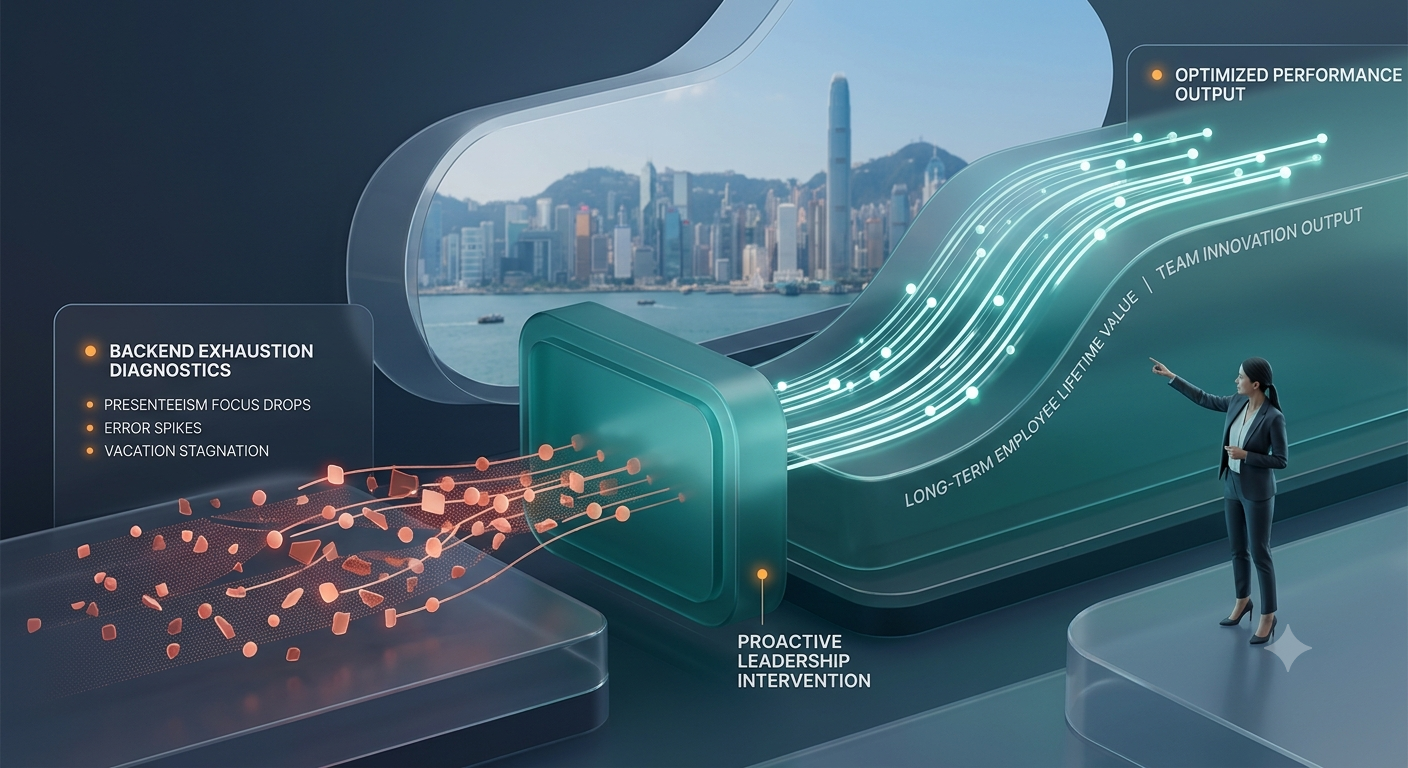
In the intense, high-velocity corporate ecosystem of Hong Kong, a silent operational crisis is draining enterprise productivity and undermining long-term workforce durability. For decades, organizational metrics have heavily favored visible metrics of dedication: early arrivals, late departures, and perfect attendance records. However, beneath the surface of these immaculate attendance charts lies a highly expensive behavioral pattern: presenteeism, the practice of employees logging on or physically showing up to work when they are severely unwell, mentally exhausted, or emotionally depleted. While absenteeism creates a visible vacancy that managers can immediately plan around, presenteeism acts as an invisible drain on corporate performance, quietly eroding the strategic output of both executive leadership and grassroots teams.
Comprehensive studies from international workplace intelligence authorities highlight a sobering reality: nearly half of all corporate working professionals admit to regularly working while actively unwell. In a compact, hyper-competitive market like Hong Kong—where mobile connectivity platforms have traditionally blurred the boundaries between personal recovery and professional demands—this issue is magnified. When a specialist operates in a state of cognitive or physical depletion, their capacity for critical analysis drops dramatically. The issue is no longer about total hours spent at a desk; it is about the severe drop in focus, creative problem-solving, and decision-making clarity that occurs when an individual denies themselves true rest.
Deconstructing the Invisible Balance Sheet: The True Cost of Cognitive Depletion
From a strict corporate governance and financial perspective, the hidden numbers behind presenteeism are far more damaging than standard sick leave. When an employee takes a necessary day off to rest and recover, the cost to the company is fixed, transparent, and limited to a single day of temporary absence. Conversely, a depleted professional who forces themselves through a multi-day cycle of presenteeism remains on the active payroll while delivering a fraction of their standard output.
This invisible drain impacts several core areas of corporate operations:
- Compounded Error Rates: Exhausted employees are statistically far more prone to administrative oversights, compliance gaps, and technical miscalculations that require hours of cross-departmental correction.
- The Erosion of Strategic Innovation: High-end tasks that drive corporate growth—such as pitching clients, mapping software architectures, or structuring long-term portfolios—require sharp mental agility that a depleted mind simply cannot produce.
- Systemic Team Burnout Contagion: When senior leaders or influential team members model presenteeism as a form of dedication, it creates an unhealthy cultural expectation, triggering a wave of collective exhaustion that drives up voluntary turnover across the business unit.
Architectural Interventions: Moving from Reactive Management to True Recovery
To break this cycle and protect employee lifetime value, chief human resource officers and C-suite executives must move past passive wellness statements and build an operational framework that actively rewards true recovery. If the internal corporate culture implicitly celebrates individuals who answer emails from a hospital bed or push through severe mental burnout, no amount of subsidized medical benefits will change employee behavior. Leadership must intentionally design a psychologically safe corporate environment where stepping away to heal is recognized as a vital component of professional peak performance.
The first step in this operational pivot requires a complete modernization of manager training and communication playbooks. People leaders must be actively coached to spot the behavioral signs of presenteeism, such as a sudden drop in communication quality, delayed task handoffs, or an unusual withdrawal from collaborative discussions. When these early friction points are identified, the manager's role is not to log a performance warning, but to actively intervene with compassion, ensuring the team member feels entirely supported in taking their statutory medical leave without facing unspoken professional penalties or career stagnation.
The second critical component involves the deployment of modern operational safeguards that protect the workplace boundary. By leveraging enterprise platforms to schedule delayed email deliveries, enforcing strict do-not-disturb protocols during non-working hours, and actively adjusting team workloads during resource surges, corporate boards can build a sustainable, highly respected employer brand. In Hong Kong's fast-moving talent market, the organizations that leverage their corporate governance to protect and elevate human health will always maintain the ultimate retention advantage, transforming a culture of performance theater into a powerhouse of sustainable, high-value commercial execution.