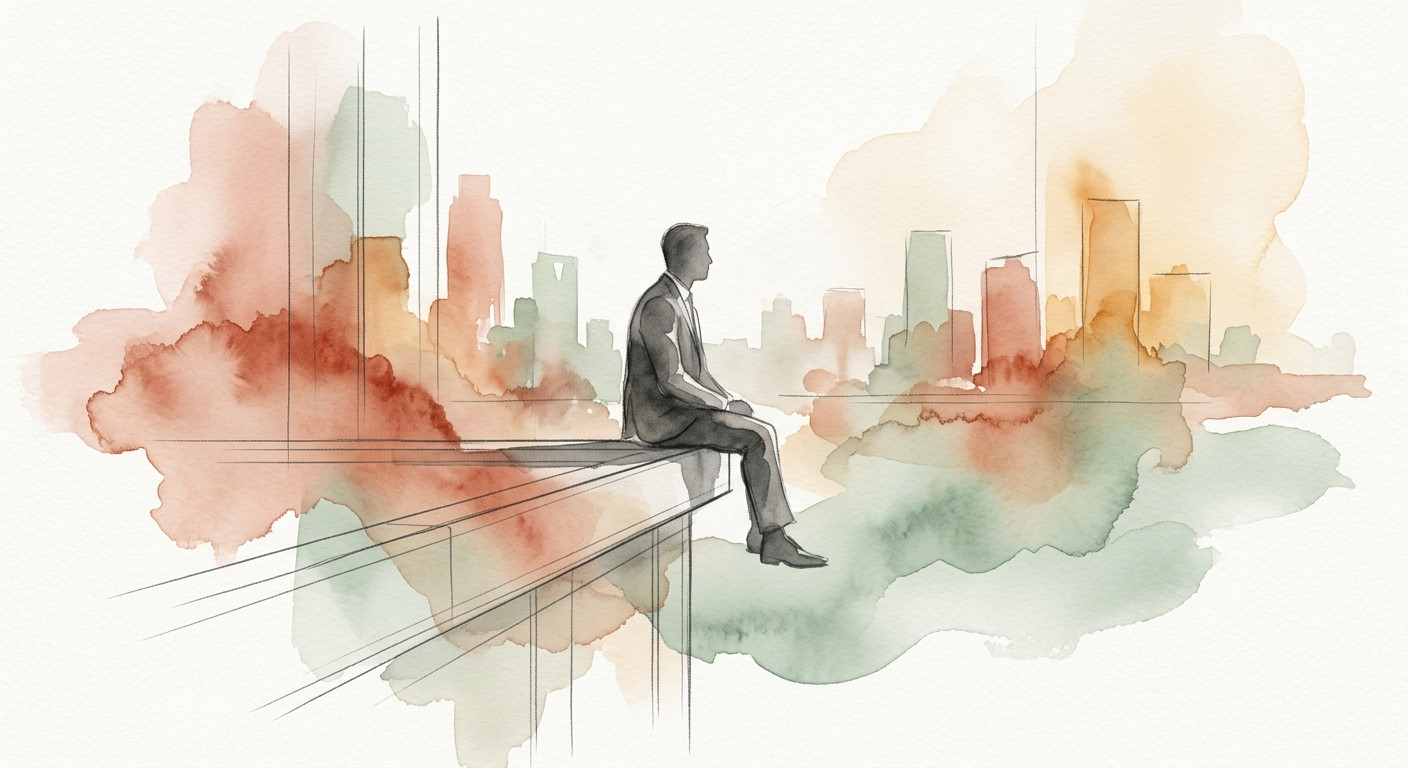
When executive teams evaluate employee health and occupational wellness, their focus almost exclusively lands on entry-level stress, front-line fatigue, or baseline hybrid flexibility. Yet, a far more hazardous phenomenon is quietly accelerating across Hong Kong's corporate landscape: Invisible Executive Burnout.
Recent research from the World Health Organization (WHO) and the Chartered Institute of Personnel and Development (CIPD) indicates that while frontline operational burnout is usually visible through absenteeism and declining output, mid-to-senior leaders suffer from "over-functioning distress." They display high productivity, flawless presentation deck delivery, and perfect attendance right up until the day they resign, suffer a medical crisis, or experience complete decision paralysis.
The Mechanics of Psychological Isolation at the Top
Executive burnout rarely stems from workload volume alone; it is driven by high responsibility combined with low psychological safety and structural isolation.
- The Squeeze of Two-Way Emotional Regulation: Mid-to-senior directors sit between board-level pressure to optimize margins and team-level demand for empathetic leadership. They absorb institutional stress without a safe outlet to process it.
- The "Performative Resilience" Expectation: Corporate culture in fast-paced financial and commercial hubs often treats leader vulnerability as liability. Leaders feel compelled to model absolute certainty, suppressing their own anxiety.
- Absence of Peer Peer-Support Architecture: As professionals ascend, their internal peer network shrinks. Standard Employee Assistance Programs (EAPs) are tailored for general workplace issues, leaving senior leaders with zero confidential, peer-level wellness support.
Strategic Action Plan for HR Leaders and Employers
Addressing executive mental well-being requires moving beyond generic wellness stipends toward targeted psychological infrastructure:
- Establish Executive Peer Coaching Circles: Partner with certified external facilitators or industry bodies like the Hong Kong Management Association (HKMA) to create strictly confidential, cross-organizational peer pods where senior leaders can discuss operational pressure without reputational risk.
- Institute Decision Detox Windows: Encourage executives to designate mandatory "uninterrupted deep-work days" devoid of back-to-back meetings, reducing cognitive fatigue and decision fatigue.
- Normalize Psychological Safety Metrics in Leadership Reviews: Measure executives not only on revenue targets, but on how effectively they build psychological safety—and how well they maintain their own sustainable work-life boundaries.
Career Advice for Mid-to-Senior Job Seekers & Leaders
If you are a senior professional navigating high-pressure corporate environments:
- Recognize Your Personal Warning Signs: Watch for subtle indicators of invisible burnout—chronic insomnia, detachment during strategic meetings, cynicism toward team achievements, or relying strictly on caffeine and adrenaline to navigate the workday.
- Audit Your Internal Support System: Build a "Personal Advisory Board" outside your direct reporting line—mentors, industry peers, or professional coaches who can offer unbiased perspectives and emotional validation.
- Evaluate Organizational Culture Before Joining: During executive interviews, ask direct questions about how the organization handles leadership wellness: "How does the executive team actively model work-life integration and stress recovery?"
Sustaining high organizational performance requires protecting the cognitive and psychological capacity of the leaders driving the vision. Elevating leadership mental health from a taboo topic into a core talent retention strategy is essential for modern business resilience.
References
- World Health Organization (WHO) – Occupational Burnout and Mental Health in the Workplace Report
- Chartered Institute of Personnel and Development (CIPD) – Health and Wellbeing at Work Study
- Journal of Applied Psychology – The Costs of Performative Resilience in Executive Leadership
- Occupational Safety and Health Council (OSHC) Hong Kong – Workplace Mental Health Guidelines