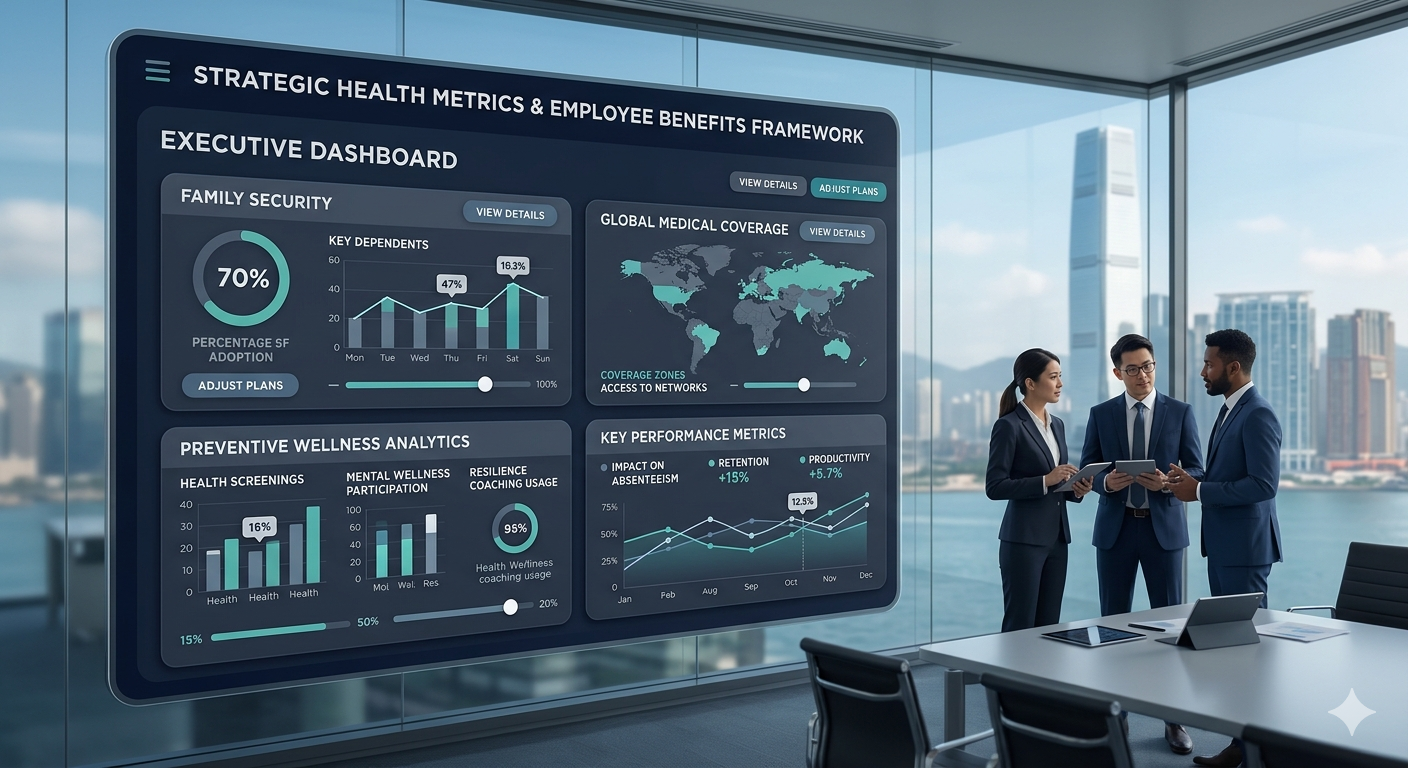
For years, corporate finance teams have viewed employee medical insurance through a single lens: a cost center to be optimized. The annual renewal process usually involves a familiar dance of adjusting deductibles, shifting co-pays, and finding the bare minimum coverage required to stay competitive on paper.
But in the modern corporate landscape, this approach is a massive missed opportunity.
Top-tier talent—especially at the executive and senior management levels—no longer evaluates compensation solely by the number on their base salary contract. They are looking at the ecosystem of security an employer provides.
To win the talent war, forward-thinking organizations are completely reframing the conversation. They are moving away from basic, reactive coverage and instead designing "Safety Net" Benefits: premium, flexible insurance schemes and proactive wellness ecosystems that act as a strategic talent acquisition and retention tool.
1. Executive Recruitment: The Power of Premium Security
When a high-performing director or executive considers joining a new firm, they are often calculating the risk of leaving a stable environment. A generic, one-size-fits-all medical plan does nothing to mitigate that risk.
- The differentiator: Offering executive-tier plans—such as premium Voluntary Health Insurance Schemes (VHIS) or tailored top-tier executive medical suites—signals that an organization values its leaders' long-term stability.
- The psychological impact: High-end coverage that includes private room options, global medical networks, and high annual limits removes a massive layer of personal friction. It provides peace of mind that allows an executive to focus entirely on driving business growth, knowing their family’s health is completely secured.
2. From Reactive Insurance to Preventive Wellness
Traditional corporate insurance is entirely reactive—it pays out only after an employee falls ill. A true "safety net," however, focuses on keeping your workforce healthy in the first place.
"An organization’s ultimate ROI isn't found in claims managed; it's found in illnesses prevented."
Integrating proactive wellness benefits into your core strategy directly impacts your bottom line. This includes:
- Fully subsidized annual comprehensive health screenings.
- On-demand mental health support and professional resilience coaching.
- Flexible wellness stipends that empower employees to manage their own preventive care.
By normalizing and funding preventive health, you drastically reduce chronic absenteeism, combat executive burnout, and foster a high-performance culture built on physical and psychological safety.
3. Flexibility: The Ultimate Benefit Lever
The demographics of today’s workforce are incredibly diverse. A single millennial executive has entirely different health priorities than a senior manager supporting an aging family. Fixed, rigid insurance policies inherently fail a portion of your team.
- The Strategy: Transition to flexible, modular benefit schemes. Allow employees to customize their coverage allocations—whether that means upgrading their inpatient coverage, adding comprehensive dental and vision, or extending premium benefits to their dependents and partners.
- Why it works: Customization shifts insurance from a passive corporate policy to an active, personalized asset. When an employee feels their unique life stage is understood and protected, their loyalty to the organization deepens significantly.
4. Retaining Institutional Knowledge
The cost of losing a senior leader is staggering—often estimated at up to two times their annual salary when accounting for recruitment, onboarding, and lost momentum.
Comprehensive "safety net" benefits create an incredibly strong, silent retention mechanism. When an organization provides an elite level of care and security that an employee cannot easily replicate elsewhere, the friction of leaving increases dramatically. Exceptional healthcare benefits act as an emotional anchor, reinforcing the idea that the company is genuinely invested in the individual, not just their output.
The Strategic Takeaway
Stop treating healthcare as an expense line on a balance sheet. Start measuring it as an investment in organizational resilience.
In an era defined by rapid market shifts and intense competition for elite leadership, the companies that thrive will be those that actively protect their greatest assets. By designing a premium, flexible health safety net, you do more than just fulfill a corporate obligation—you build an employer brand that elite talent will actively seek out and fight to stay with.