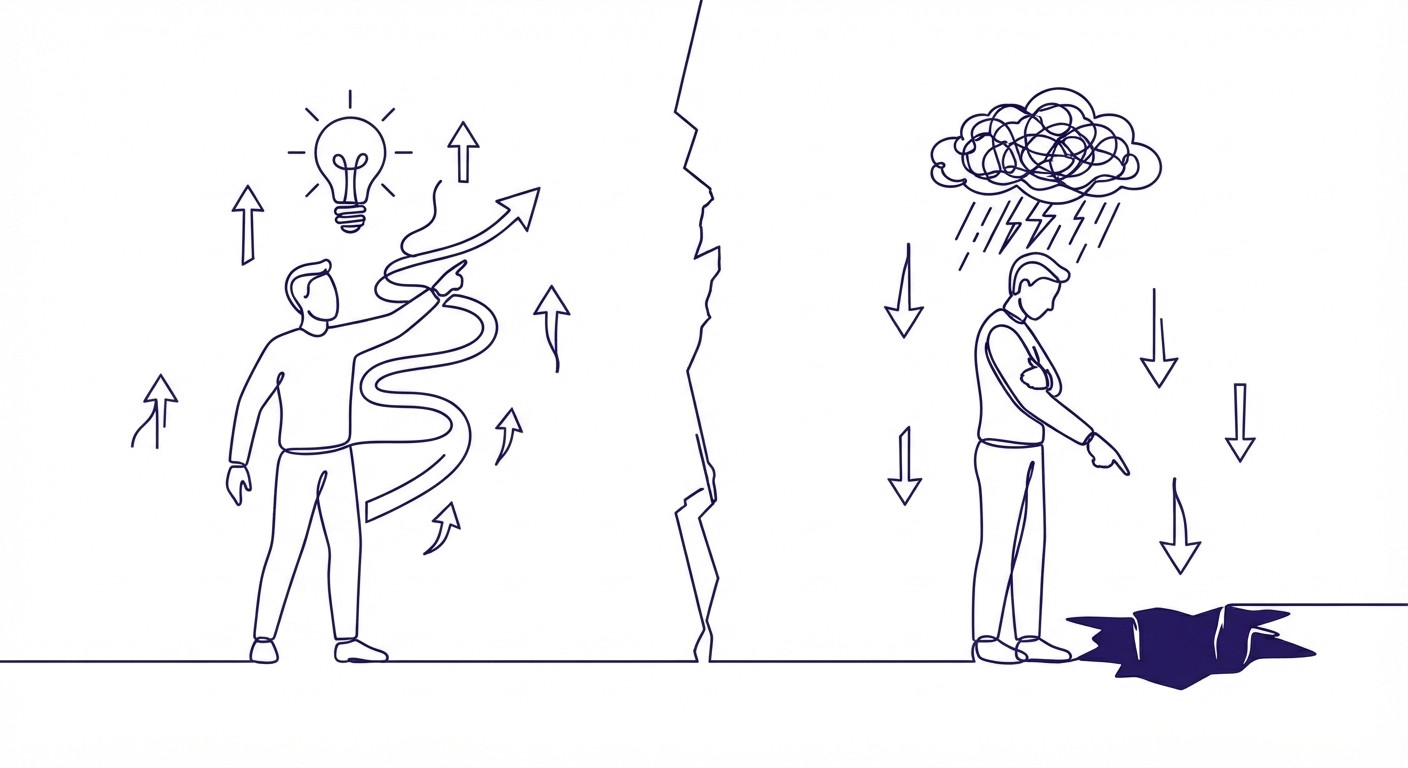
In Hong Kong’s high-pressure corporate environment, where speed and consensus are often prized above all else, silence is frequently mistaken for agreement. Yet, beneath the veneer of seamless collaboration, a quiet struggle is playing out between necessary critique and destructive cynicism. Smart organizations know that real innovation requires the former,while enduring culture relies on suppressing the latter.
The challenge for leaders lies in distinguishing between a team member offering constructive dissent—a vital mechanism for avoiding costly mistakes—and someone engaging in toxic negativity, which erodes morale and poisons the well.
The Vital Role of Constructive Dissent
Constructive dissent is not about being difficult or playing devil's advocate for sport. It is a proactive, respectful challenge to the status quo, backed by data or thoughtful experience. It is the courageous act of questioning a flawed strategic assumption before a product launch or highlighting an ethical risk in a proposed partnership.
For HR and business leaders, creating psychological safety where this dissent can flourish is not a "soft skill"—it is a hard business imperative. Without it, companies fall prey to groupthink, miss market shifts, and alienate employees who see problems but are too afraid to speak up until it's too late.
Signs of Healthy Dissent:
- Specific & Solution-Oriented: The critique focuses on a particular issue (e.g., "The supply chain risk on this vendor is too high") and often proposes an alternative (e.g., "We should consider splitting the contract").
- Respectful of Time & People: It is delivered through the right channels, at the appropriate time, and without personal attacks.
- Motivated by Success: The underlying intent is to improve the outcome, product, or company, not to undermine leadership.
When Critique Turns Contagious
Toxic negativity, conversely, is a corrosive force that drains energy and offers no value in return. It is characterized by chronic complaining, personal attacks disguised as "just being honest," and a pervasive sense of learned helplessness. It spreads like a virus, turning a motivated team into a cynical echo chamber.
While constructive dissent builds better results, toxic negativity builds a culture of resentment. If left unchecked, it can lead to "quiet quitting," active disaffection, and the departure of high-performing talent who refuse to work in a toxic environment.
Red Flags of Toxic Negativity:
- Vague & Generalized: The complaints are broad and unchangeable (e.g., "Management always makes terrible decisions," "This company is doomed").
- Focus on Blame, Not Solutions: The goal is to vent frustration and assign blame, rather than fix the problem at hand.
- Personal & Sarcastic: The criticism is delivered with contempt, personal derision, or passive-aggressive behavior that attacks character rather than ideas.
Actionable Strategies for Leaders
Distinguishing between these two behaviors requires emotional intelligence and proactive management.
- Train Managers on Feedback Loops: Equip team leaders with the skills to facilitate difficult conversations. Teach them how to invite dissent ("I know we all seem to agree, but does anyone see a major flaw in this plan?") and how to shut down negativity ("I hear your frustration, but we need to focus on specific solutions for this project").
- Reward "No" Sayers (Thoughtfully): Recognize employees who raise valid concerns early in a project's lifecycle. Publicly thank them for saving the team from a future crisis. This signals that diverse perspectives are valued.
- Set Clear Behavioral Norms: Establish team charters that define acceptable ways of challenging ideas. Explicitly state that personal attacks and chronic complaining are not tolerated, while respectful, data-driven disagreement is an expectation.
- Address Negativity Swiftly: Toxic behavior must be addressed one-on-one immediately. Left unaddressed, it signals that such conduct is acceptable, causing it to metastasize.
By fostering a culture where constructive dissent is not just permitted but encouraged, leaders can unlock better decisions and stronger performance. Simultaneously, by drawing a firm boundary against toxic negativity, they protect the psychological health and morale of their workforce.