The Hidden Friction in Talent Retention
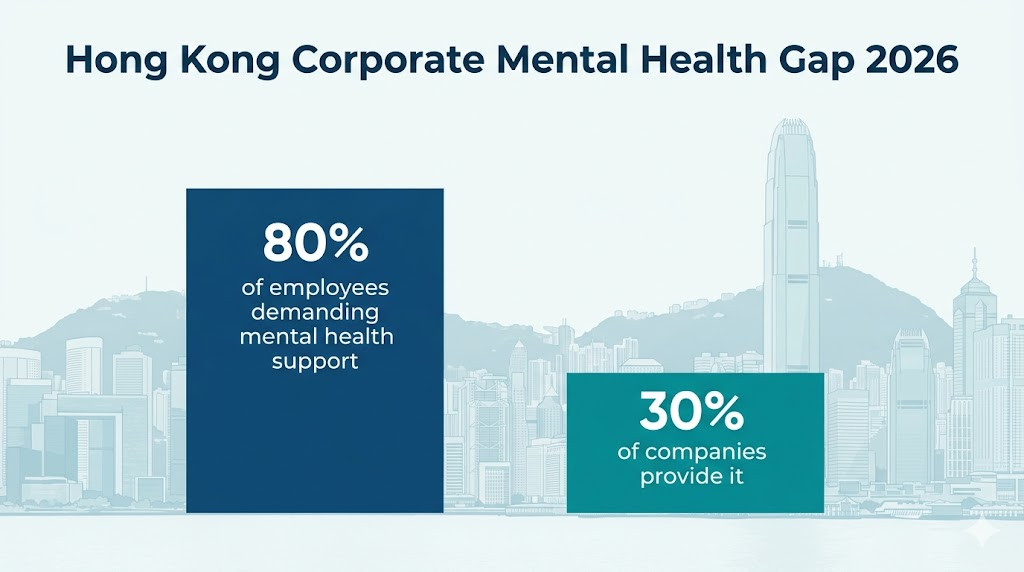
A profound corporate misalignment has emerged across Hong Kong's major business districts. While the city's seasonally adjusted employment data indicates a highly selective corporate recovery, recent data from regional insurance reviews reveals that 80% of local employees now view health and mental well-being support as a primary factor when evaluating a new job offer or deciding to stay with an employer.
Despite this overwhelming demand, the regional operational reality tells a different story. Currently, only 30% of Hong Kong employers offer outpatient mental health benefits within their corporate medical packages, and a minimal 24% provide coverage for inpatient psychiatric treatment. In a market where hiring budgets are strictly capped, this structural gap represents an immediate talent acquisition and retention vulnerability.
Strategic Action Points for HR Directors
To transform this benefits mismatch into a competitive employer-branding asset without inflating corporate overheads, human resource teams should execute three data-driven interventions:
- Transition from Payer to Strategic Partner: Avoid superficial provider switches. Utilize granular claim data broken down by diagnosis and employee grade to negotiate customized corporate packages with insurers.
- Incorporate "No-Explanation" Leave: Introduce structured wellness or mental health days that allow employees to step away from high-stress cycles without the requirement of a formal medical certificate or fear of professional stigma.
- Unify Physical and Mental Support: Integrate Employee Assistance Programs (EAPs) directly with physical fitness allowances, eliminating the artificial distinction between physical and mental health.
By addressing this 50% expectation gap, progressive firms can significantly lower absenteeism, mitigate burnout, and build a highly defensible employer brand in a highly selective talent market.
References
- Howden Group, Hong Kong Employee Benefits Report (January 2026).
- HR Magazine Hong Kong, Workplace Wellness Assessments (March 2026).