The Rising Cost of Care
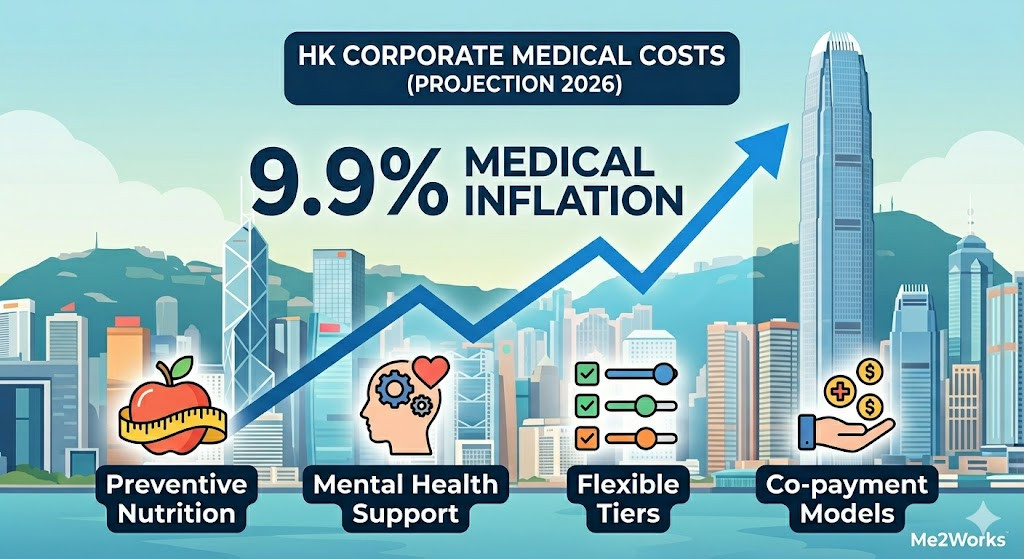
For HR managers in Hong Kong, the "Medical Inflation" headline is no longer a distant warning—it is a budgetary reality. With medical costs in the city projected to rise by nearly 10% this year, the traditional "one-size-fits-all" insurance plan is becoming unsustainable. This spike is largely attributed to the adoption of expensive new medical technologies and a rise in cardiovascular and musculoskeletal claims among the desk-bound workforce.
Strategic Shifts for HR Leaders
To mitigate these costs without stripping away value, HK firms are moving toward:
- Preventive Nutrition & Lifestyle Support: Instead of just paying for illness, companies are investing in programs like "Nutrium Care," which provides dietetic support to prevent chronic issues like diabetes before they require expensive hospital intervention.
- Flexible Benefit Tiers: Allowing employees to "flex" their allowance—choosing more mental health coverage over dental, for example—helps manage costs while increasing perceived value.
- Co-payment Models: Introducing modest co-insurance designs to discourage "excessive claiming" for minor ailments, ensuring the premium budget is preserved for critical care.
The Bottom Line
In 2026, the most competitive employers aren't those with the most expensive plans, but those who empower employees to use healthcare benefits wisely.
References