The escalating cost of healthcare has transformed employee benefits from a routine human resource administrative task into a critical, C-suite level financial challenge. As commercial health insurance premiums rise at rates far outstripping standard economic growth, organizations in Hong Kong are finding themselves caught between two opposing forces: the urgent operational necessity to control corporate overheads and the equally vital requirement to attract and retain elite professional talent. When businesses attempt to resolve this tension by simply scaling back coverage or increasing employee co-payments within traditional fixed group medical plans, the negative consequences show up quickly in the form of falling employee morale, rising presenteeism, and increased voluntary turnover.
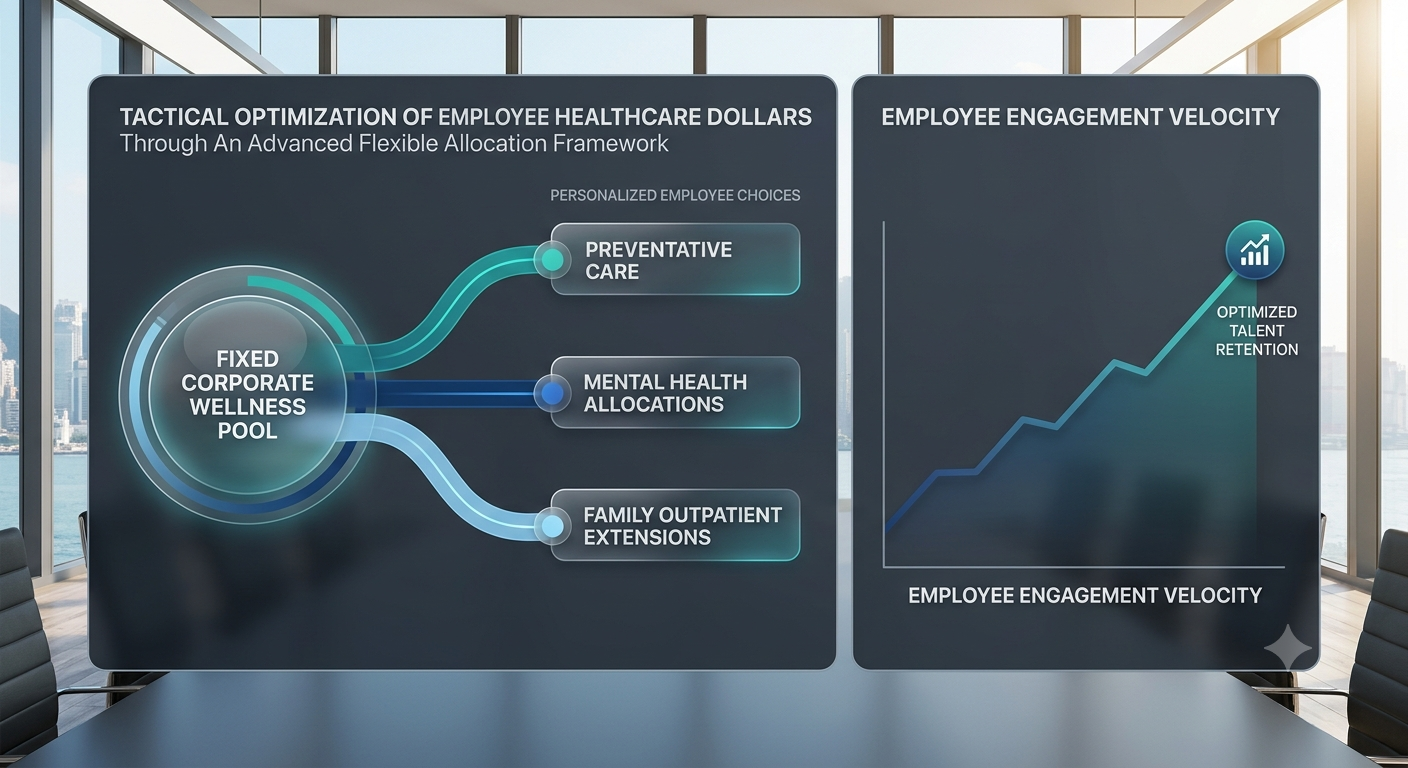
To break this cycle, progressive human resource leaders are fundamentally changing how corporate healthcare budgets are allocated. Moving away from rigid, legacy group insurance policies, these organizations are implementing modular flexible benefit frameworks. This structural shift allows companies to define a set, per-headcount financial baseline while empowering employees to customize their benefits mix based on their unique life stages. For example, younger single professionals might redirect their allowances away from complex inpatient coverages toward mental health apps, outpatient dental care, or sports fitness memberships. Meanwhile, mid-career professionals with families can choose to channel their allocated funds into comprehensive family medical coverage or specialized wellness checks.
Maximising Capital Efficiency Through Dynamic Spending Accounts
The primary business advantage of a well-structured Flexible Spending Account (FSA) or Wellness Allowance model is the elimination of premium waste. In a typical fixed group insurance model, employers pay a substantial upfront premium per employee to cover a wide array of potential medical scenarios, regardless of whether those services are ever used. In a flexible architecture, the organization only pays for the actual services or wellness options that employees select, or they cap their financial liability by establishing predefined contribution tiers.
This proactive approach to benefit optimization delivers immediate positive outcomes across three key business metrics:
- Total Budget Predictability: By shifting to a fixed contribution per employee, finance departments can forecast annual healthcare benefits spend with absolute precision, removing the risk of unexpected mid-year premium hikes during renewal negotiations.
- Measurable Increases in Benefit Appreciation: When employees are given the freedom to choose how their wellness benefits are spent, their personal appreciation of the company's investment increases dramatically, turning a standard insurance perk into a powerful tool for talent retention.
- Reduced Administrative Overlap: Modern flexible benefits platforms utilize automated, self-service portals that allow workers to submit claims and adjust their selections directly, significantly reducing the daily administrative burden on internal human resource teams.
The Implementation Playbook for HR Leaders
Transitioning an enterprise-level workforce from a traditional insurance plan to an agile flexible benefits model requires an intentional, step-by-step rollout strategy. To ensure a smooth transition and maintain strong employee trust, corporate leaders must look past short-term cost savings and focus on long-term workforce engagement.
The strategic playbook for a successful benefits transformation includes:
- Conducting Data-Driven Utilization Audits: Human resource teams should analyze past insurance claims data to identify exactly which coverage elements are highly valued by employees and which ones represent underutilized premium spend.
- Designing Clear Core Safeguards: Maintain a foundational, non-negotiable level of catastrophic inpatient and accident insurance for all staff members, while utilizing the remaining budget to fund the flexible wellness allowance accounts.
- Deploying Intuitive Self-Service Platforms: Partner with modern corporate benefits tech vendors to provide intuitive digital portals where employees can easily view their available balance, track wellness claims, and customize their benefits mix with zero friction.
By utilizing updated flexible benefits architectures, Hong Kong business leaders can turn a stressful premium renewal season into an opportunity for strategic workforce renewal. Moving away from rigid, legacy corporate models allows organizations to protect their financial health while building a supportive, inclusive workplace culture that drives sustainable long-term business performance.
References
- Harvard Business Review: Dynamic Corporate Compensation and Employee Retention Analytics
- KPMG International: Global Workplace Benefits and Healthcare Cost Optimization Studies
- Towers Watson Hong Kong: Annual Corporate Health and Talent Engagement Benchmark Survey