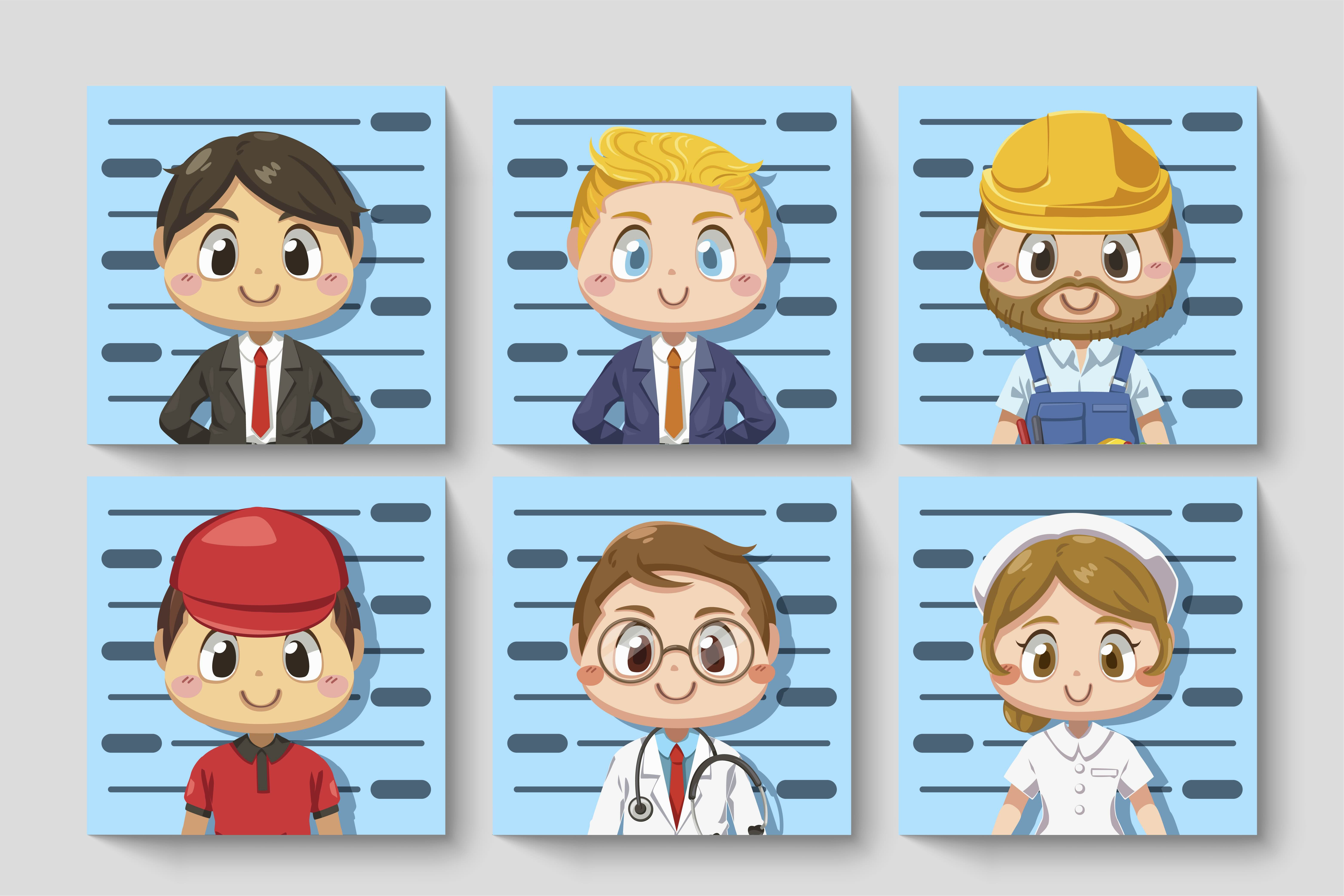
Designed by Freepik
Polyworking is a 2026 workplace trend where individuals intentionally manage multiple professional roles, projects, or income streams simultaneously.
While "moonlighting" (working a second job after hours) has existed for decades, polyworking is distinct because it involves integrating multiple roles into a single "portfolio career," often during overlapping or traditional work hours.
The 2026 Polyworking Profile
By early 2026, data shows that nearly 47% of U.S. workers identify as polyworkers. The trend is no longer just for freelancers; it now includes:
- The Multi-Jobber: Holding two or more part-time or even full-time jobs at once (sometimes called "daylighting" or "double-dipping").
- The Portfolio Professional: Combining a core job with high-level consulting, teaching, or creative "passion projects" that also generate income.
- The Internal Polyworker: A newer model where employees hold multiple distinct roles within the same organization to fill specialized skill gaps.
Why Is This Happening Now?
- Financial Necessity: For 68% of polyworkers, the primary driver is covering basic living expenses and paying off debt as wage growth (less than 1%) fails to keep pace with inflation.
- Career Resilience: In a volatile job market where layoffs feel constant, 34% of workers use polyworking as a safety net. If one job disappears, they still have active income streams.
- The "Unbossing" Movement: About 32% of workers are intentionally avoiding management roles to focus on individual contributor work and side ventures that offer more personal agency.
- AI Efficiency: As AI automates routine tasks, many workers find they can complete their primary job's work in fewer hours, using the reclaimed time to take on a second role.
The Risks of Polyworking
While the financial upside is clear, the human cost is significant:
- Burnout Crisis: Roughly 42% of polyworkers report symptoms of burnout and chronic exhaustion.
- Legal & Conflict Risks: Many standard contracts still include "exclusive service" or "non-compete" clauses.Working for two employers in the same industry can lead to immediate termination or legal action.
- Privacy & Tech Overlap: Handling sensitive data from multiple employers on the same device is a major IT security risk for companies.
Impact on Employers
Forward-thinking companies are shifting from a "loyalty" mindset to an "outcome-based" one. Rather than trying to ban outside work, some HR leaders are implementing:
- Transparency Policies: Requiring employees to disclose outside work to ensure there are no direct conflicts of interest.
- Internal Mobility: Allowing high performers to take on "gigs" in other departments for extra pay, keeping their talent within the company.